The Costa de la Luz (Andalusia) is a special, unspoiled area waiting to be discovered in southern Spain. Here on the Costa de la Luz is Conil de la Frontera.
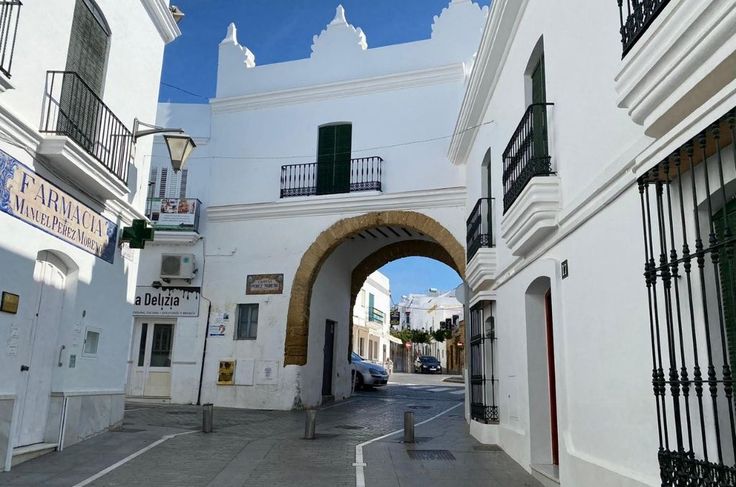
The charming white village of Conil, located on the Atlantic coast of Andalusia, is about 40 km south of the city of Cádiz. It is a typical Andalusian fishing village, with narrow streets and cozy tapas bars. There are no high-rise buildings or mass tourism.
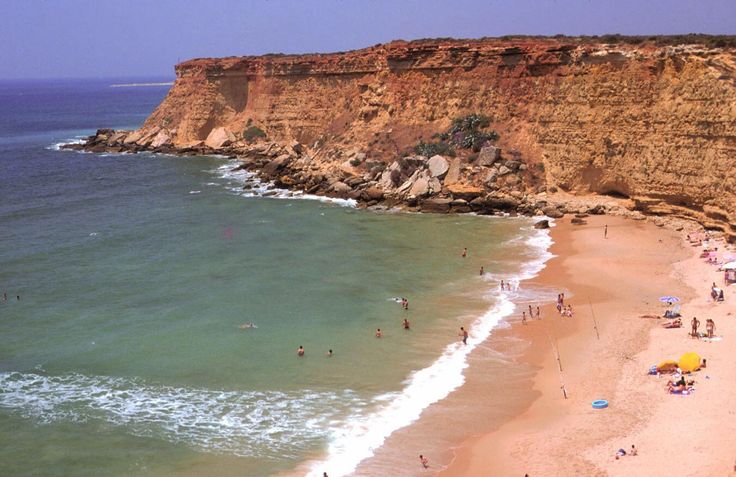
The beautiful sandy beaches that stretch for miles are interspersed with green pine forests. North of Conil, the beach turns into a rugged rocky coastline with beautiful sheltered coves.
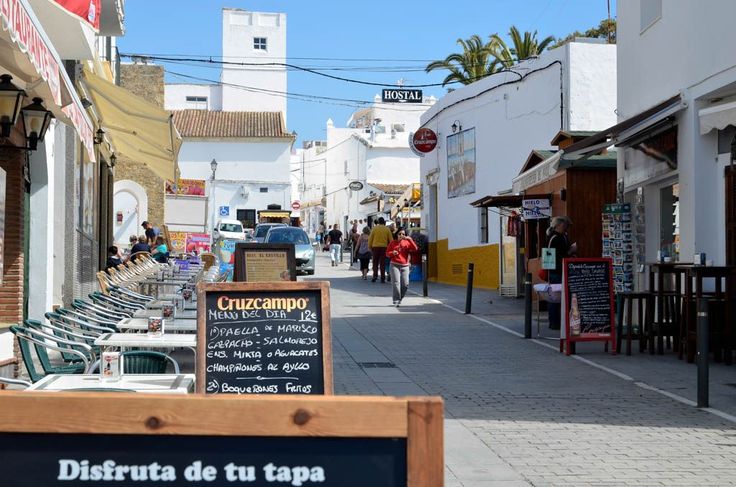
The boulevard is lined with typical Spanish houses, interspersed with restaurants and terraces. The village has shops selling fresh vegetables, fruit, and fish, and there is a weekly market on Fridays.
Conil is not a “typical Spanish” vacation destination. You won't find rows of souvenir shops, and prices are not inflated for tourists.
They return for the pleasant, relaxed atmosphere, the water sports, and above all for the excellent cuisine, because they eat what has been caught on land or at sea that very day.
Playa Conil de la Frontera, Cádiz, Spain
Conil de la Frontera, Cádiz, Spain
Conil de la Frontera, Cádiz, Spain
Conil de la Frontera, Cádiz, Spain
Cádiz
The fascinating port city of Cádiz is the oldest inhabited city in Western Europe. The city was founded in 1100 BC by the Phoenicians and has an eventful history.
Old town center surrounded by water: Cadiz is famous for its beautiful location. The city is situated on a small peninsula jutting out into the Bay of Cadiz and is connected to the mainland by a bridge. The picturesque old town at the tip of the peninsula is almost completely surrounded by water. Here you can stroll among beautiful historic buildings in a maze of narrow streets that always end in cozy squares. It is really impossible to get lost, as the beautiful promenade with its charming gardens and parks is never far away.
Cádiz, the smiling city: Perhaps the greatest attraction of Cádiz is the legendary cheerfulness of its inhabitants, the Gaditanos. The Gaditanos are cheerful and happy, simply because every day is a new day and they enjoy life to the fullest. Cádiz is the city that smiles, and you can experience this in every corner of its old town. For example, in the Plaza de Mina, where people greet each other with kisses and hugs and spontaneously start singing flamenco. Or on the Duque de Nájera boulevard, where young and old alike enjoy the cool sea breeze and the beautiful sunset at dusk.
Jerez de la Frontera
Jerez is known as the city of sherry wine (“Vino fino” or “Vino de Jerez”). As you walk through the streets, the smell of sherry permeates the whitewashed walls of the wine cellars.
The walls bear the names of large landowners, such as Pedro Domecq, who own large areas of Andalusia around Jerez and cultivate the land or use it to raise bulls (for bullfighting) and horses.
The Royal Andalusian School of Equestrian Art Riding School is located in Jerez. Esta escuela tiene una buena reputación. La escuela entrena caballos y jinetes y también organiza espectáculos.
In addition, Jerez also has the Yeguada de la Cartuja stud farm, which carries out similar activities. Once a year, in spring, the Horse Fair is held, a large market and fair for cattle and horses that lasts three days and where you can see and purchase award-winning specimens from all over the world.
Jerez is sometimes referred to as the capital of flamenco. Although all of Andalusia has produced great flamenco artists, it is here that the official flamenco academy, the Centro de Baile Jerez, is located.
Sevilla
Seville is a municipality and capital of the Spanish autonomous community of Andalusia and the province of Seville. It is the most important city in southern Spain in cultural, political, economic, and artistic terms. In 2013, the city had 700,169 inhabitants, and 1,519,639 people live in the Seville metropolitan area.
Seville is located on the banks of the Guadalquivir River, which is navigable by medium-sized boats as far as the city, and has the largest historic center in Europe, home to the city's main attractions: Seville Cathedral with the Giralda, the Alcázar, and the Torre del Oro. The Seville neighborhood of Triana is considered the birthplace of flamenco, the Spanish style of dance and music.
Seville is known for its varied cuisine, numerous restaurants, bars, and pubs, and also for the fact that hot meals are served twice a day. Sevillians really take their time when eating and enjoy an aperitif and/or tapa beforehand. Stroll through the cozy Santa Cruz neighborhood and experience the atmosphere of Andalusian life.
About Us
Calle Nao, 18 11140 Conil de la Frontera, Cádiz (España)